
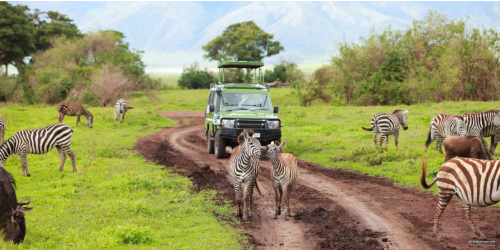

Tanzania stands as Africa’s premier safari destination, offering an unparalleled combination of world-renowned national parks, abundant wildlife, dramatic landscapes, and rich cultural experiences. A Tanzania safari tour represents the quintessential African adventure, where visitors witness the raw power of nature through incredible wildlife encounters, from the Great Migration to the Big Five. With its diverse ecosystems ranging from endless savannas to volcanic craters and pristine beaches, Tanzania delivers safari experiences that exceed even the most ambitious expectations.
Why Tanzania is the World’s Top Safari Destination
Tanzania’s reputation as the ultimate safari destination is built on solid foundations. The country protects approximately 38% of its total land area for conservation, encompassing 16 national parks, numerous game reserves, conservation areas, and marine parks. This commitment to wildlife preservation has created vast, interconnected ecosystems where animals roam freely across landscapes that remain largely unchanged for millennia.
The sheer concentration and diversity of wildlife in Tanzania is staggering. The country hosts Africa’s largest populations of several species including lions, elephants, and wildebeest. Over 430 species of mammals and 1,100 bird species call Tanzania home, creating extraordinary opportunities for wildlife viewing throughout the year. Unlike many safari destinations where game viewing is seasonal, Tanzania offers exceptional wildlife experiences year-round, with each season presenting unique advantages.
Tanzania’s safari infrastructure has evolved to accommodate every preference and budget, from authentic bush camping experiences to ultra-luxurious lodges with world-class amenities. Professional guides with extensive ecological knowledge and decades of experience ensure visitors gain deep insights into animal behavior, ecosystem dynamics, and conservation challenges. The country’s political stability, well-developed tourism sector, and warm Tanzanian hospitality create a welcoming environment for international visitors.
Serengeti National Park: The Crown Jewel of African Safaris
The Serengeti National Park needs little introduction among wildlife enthusiasts. This 14,763 square kilometer expanse of pristine wilderness represents the archetypal African landscape immortalized in documentaries and travelers’ imaginations. The name “Serengeti” derives from the Maasai word “Siringet,” meaning “endless plains,” perfectly capturing the essence of this extraordinary ecosystem.
The Serengeti is globally renowned as the stage for the Great Migration, considered the world’s most spectacular wildlife event. Each year, over two million wildebeest, accompanied by hundreds of thousands of zebras and gazelles, undertake a circular migration covering approximately 800 kilometers in their eternal search for fresh grazing and water. This ancient rhythm follows seasonal rainfall patterns, with massive herds moving from the southern Serengeti plains northward into Kenya’s Maasai Mara and back again.
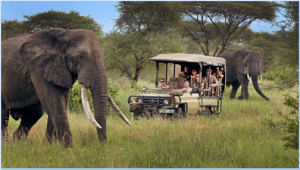
Witnessing the Great Migration ranks among life’s most extraordinary experiences. The dramatic river crossings at the Mara and Grumeti Rivers, where thousands of animals brave crocodile-infested waters, showcase nature’s raw power and the survival instinct. The birthing season from January to March in the southern Serengeti sees approximately 8,000 wildebeest calves born daily, attracting numerous predators and creating incredible predator-prey interactions.
Beyond the migration, the Serengeti supports exceptional year-round wildlife viewing. The park boasts the highest concentration of large predators in Africa, including over 3,000 lions, numerous leopards, cheetahs, and hyena clans. The diverse habitats—from open grasslands to acacia woodlands, rocky kopjes to riverine forests—support an incredible variety of species including elephants, giraffes, buffalo, hippos, and countless antelope species.
Ngorongoro Crater: The World’s Largest Intact Volcanic Caldera
The Ngorongoro Crater presents one of Africa’s most concentrated wildlife spectacles within a breathtaking geological wonder. This massive volcanic caldera, formed when a giant volcano exploded and collapsed approximately 2-3 million years ago, spans 260 square kilometers with walls rising 600 meters from the crater floor. The crater’s unique geography creates a natural enclosure that supports an astonishing density of wildlife in a relatively confined area.
Approximately 25,000 large animals inhabit the crater floor year-round, creating arguably the highest concentration of wildlife per square kilometer anywhere in Africa. The permanent water sources and rich volcanic soil support lush grasslands that sustain massive herds of zebras, wildebeest, buffalo, and gazelles. The crater provides exceptional opportunities to observe the Big Five—lion, leopard, rhinoceros, elephant, and buffalo—all within a single day.
Ngorongoro represents one of the best places in Africa to observe the critically endangered black rhinoceros. The crater’s protected environment and constant monitoring by rangers have helped maintain a small but significant population of these magnificent animals. Early morning game drives offer the best chances for rhino sightings as they graze in the open before seeking shade during hotter hours.
The crater’s ecosystem includes diverse habitats from grasslands to swamps, acacia forests to soda lakes. Lake Magadi, the crater’s alkaline lake, attracts thousands of flamingos, creating stunning pink shores against the backdrop of the crater walls. The Lerai Forest provides habitat for elephants and leopards, while the Gorigor Swamp supports hippos and various water birds. This habitat diversity within such a confined area makes every crater safari uniquely rewarding.
Tarangire National Park: The Elephant Paradise
Tarangire National Park, though less famous than the Serengeti or Ngorongoro, offers one of Tanzania’s most underrated safari experiences. During the dry season from June to October, Tarangire hosts the highest concentration of elephants anywhere in Tanzania, with herds numbering several hundred individuals gathering around the permanent Tarangire River. Observing these gentle giants in such numbers, watching family interactions and social behaviors, provides profoundly moving experiences.
The park’s landscape differs dramatically from the Serengeti’s open plains, characterized instead by iconic baobab trees, acacia woodlands, and seasonal swamps. These ancient baobabs, some over 1,000 years old, create a distinctive African atmosphere, their massive trunks and twisted branches silhouetted against spectacular sunsets. The varied terrain supports diverse wildlife including lions, leopards, cheetahs, wild dogs, and over 550 bird species, making Tarangire a birdwatcher’s paradise.
Tarangire’s relative obscurity compared to the Serengeti means fewer tourists, allowing for more intimate wildlife encounters and uncrowded game viewing. The park’s compact size makes it ideal for shorter safaris or as a component of longer northern circuit itineraries. Many visitors discover that Tarangire’s unique character and exceptional elephant populations make it a highlight of their Tanzania safari tour.
Lake Manyara National Park: Diversity in Miniature
Lake Manyara National Park, nestled at the base of the Great Rift Valley escarpment, packs remarkable diversity into its relatively small 330 square kilometers. The park’s namesake lake occupies approximately two-thirds of the park during wet seasons, creating an ever-changing landscape that attracts thousands of flamingos and over 400 bird species. The remaining land area encompasses diverse habitats from groundwater forests to acacia woodlands and open grasslands.
Lake Manyara gained fame for its tree-climbing lions, an unusual behavior that distinguishes this population from lions elsewhere. While the exact reasons remain debated among researchers, these lions regularly rest in acacia trees, providing extraordinary photographic opportunities. The park also supports healthy populations of elephants, hippos, buffalos, and numerous primate species including baboons and blue monkeys.
The park’s groundwater forest, fed by underground springs from the Rift Valley escarpment, creates a lush, cathedral-like environment dramatically different from typical safari landscapes. Giant fig trees, mahogany, and wild palms form a dense canopy where troops of baboons play and hornbills call. This forest section provides welcome shade during hot midday hours and supports species not commonly seen in other northern circuit parks.
Ruaha and Nyerere (Selous): Tanzania’s Southern Safari Circuit
While the northern circuit receives the most visitors, Tanzania’s southern parks offer equally spectacular but far less crowded safari experiences. Ruaha National Park, Tanzania’s largest national park at 20,226 square kilometers, provides genuine wilderness experiences with exceptional predator populations. The Great Ruaha River serves as the park’s lifeline, attracting massive concentrations of wildlife during the dry season.
Ruaha’s remote location and limited infrastructure mean fewer visitors, allowing those who make the journey to experience Africa as it was decades ago. The park hosts one of Africa’s largest elephant populations, significant prides of lions, and rare species including the African wild dog and sable antelope. The baobab-studded landscape and dramatic rocky escarpments create stunning backdrops for wildlife photography.
Nyerere National Park, formerly the northern section of Selous Game Reserve and recently designated as Tanzania’s largest national park, offers a completely different safari experience centered on boat safaris and walking safaris alongside traditional game drives. The Rufiji River, Tanzania’s largest river, creates an intricate network of channels, lakes, and wetlands supporting massive concentrations of hippos, crocodiles, and diverse water birds.
The southern circuit’s appeal lies not just in its wildlife but in its authentic safari atmosphere. Small, intimate camps replace large lodges, walking safaris provide ground-level perspectives on ecosystems, and the sense of exploration and discovery remains palpable. These parks reward adventurous travelers seeking experiences beyond standard tourist routes.
Seasonal Considerations for Your Tanzania Safari Tour
Understanding Tanzania’s seasons helps optimize safari timing for specific wildlife events and experiences. Tanzania has two main seasons: the dry season from June to October and the wet season from November to May, with short rains in November-December and long rains from March to May.
The dry season represents the peak safari season for excellent reasons. Animals concentrate around permanent water sources, making wildlife viewing predictable and spectacular. Vegetation becomes sparse, improving visibility and making predator spotting easier. Roads are in better condition, and malaria risk decreases. June through October also coincides with the Great Migration’s dramatic river crossings in the northern Serengeti. However, these advantages come with higher prices and more crowded parks, particularly in the Serengeti and Ngorongoro.
The wet season, especially the “green season” from November to December and January to February, offers distinct advantages for discerning travelers. Accommodation rates drop significantly, sometimes by 30-40%. Parks are less crowded, allowing for more exclusive experiences. The landscape transforms into lush green carpets dotted with wildflowers. This is calving season in the Serengeti, with thousands of wildebeest births attracting predators and creating dramatic predator-prey interactions. Bird watching peaks as migratory species arrive, and many animals give birth, meaning abundant young animals are visible.
The long rains from March to May bring heavy downpours, though typically in afternoon thunderstorms rather than all-day rain. This is a genuine low season with the lowest prices and the most exclusive experiences. Wildlife viewing remains good, particularly in permanent water areas like the Ngorongoro Crater and Tarangire River. Serious wildlife enthusiasts often prefer this period for its authenticity and lack of crowds.
Types of Tanzania Safari Tours
Tanzania accommodates diverse safari styles, budgets, and preferences. Budget camping safaris offer authentic bush experiences at affordable prices, with public campsite accommodations, basic amenities, and shared transportation. These safaris appeal to adventurous travelers comfortable with basic conditions in exchange for genuine wilderness immersion and lower costs.
Mid-range safaris strike a balance between comfort and cost, typically using permanent tented camps or comfortable lodges with ensuite facilities, good food, and knowledgeable guides. These tours provide excellent wildlife viewing and comfortable accommodations without luxury pricing, representing the sweet spot for many travelers.
Luxury and ultra-luxury safaris deliver world-class experiences with exclusive accommodations in stunning locations, gourmet cuisine, private guides and vehicles, personalized service, and attention to every detail. These high-end options often include private concessions for game viewing away from crowds, spa services, and exceptional photographic opportunities.
Specialized safari types cater to specific interests. Photographic safaris focus on optimal lighting, positioning, and timing for wildlife photography, often with professional photographer guides. Walking safaris provide ground-level ecosystem exploration with armed guides, offering unique perspectives on tracks, insects, and plant life alongside potentially close wildlife encounters. Fly-in safaris use light aircraft to maximize time at destinations while minimizing road travel, ideal for visitors with limited time or seeking access to remote areas.
Cultural Experiences: Beyond Wildlife
A Tanzania safari tour offers rich cultural dimensions beyond wildlife viewing. The Maasai people, with their distinctive red shukas and elaborate beadwork, maintain traditional semi-nomadic lifestyles in areas surrounding many parks. Cultural visits to Maasai villages provide insights into their pastoralist traditions, though it’s important to choose ethical cultural tourism programs that genuinely benefit communities rather than exploitative “human zoos.”
The Olduvai Gorge, located within the Ngorongoro Conservation Area, is known as the “Cradle of Mankind.” This archaeological site has yielded numerous hominid fossils and stone tools dating back millions of years, including discoveries by the Leakey family that revolutionized understanding of human evolution. The small museum at the site provides fascinating context for these discoveries and their significance.
Tanzania’s cultural diversity extends beyond the Maasai, with over 120 ethnic groups each maintaining distinct traditions. Opportunities exist to visit Hadzabe hunter-gatherers near Lake Eyasi, experience Chagga coffee plantations on Mount Kilimanjaro’s slopes, or explore the historical Arab and European influences in Zanzibar’s Stone Town.
Combining Safari with Beach: The Perfect Conclusion
One of Tanzania’s unique advantages is the opportunity to combine thrilling safari adventures with relaxation on pristine Indian Ocean beaches. Zanzibar, the Spice Island, lies just a short flight from mainland safari circuits, offering white sandy beaches, turquoise waters, coral reefs, and rich cultural heritage.
Zanzibar’s Stone Town, a UNESCO World Heritage Site, fascinates with its labyrinthine alleys, carved wooden doors, bustling markets, and fusion of Arabic, Persian, Indian, and European influences. The island’s beaches on the east coast provide idyllic settings for post-safari relaxation, with opportunities for snorkeling, diving, dhow sailing, and spice plantation tours.
Alternative beach destinations include Pemba Island for world-class diving, Mafia Island for whale shark encounters, and the lesser-known beaches of southern Tanzania near Nyerere National Park. This safari-and-beach combination creates perfectly balanced itineraries mixing adventure with relaxation.
Practical Planning for Your Tanzania Safari Tour
Successful Tanzania safaris require thoughtful planning. Most international visitors fly into Julius Nyerere International Airport in Dar es Salaam or Kilimanjaro International Airport near Arusha, with the latter more convenient for northern circuit safaris. Internal flights connect major parks, though many visitors prefer road safaris for the journey’s scenic and experiential value.
Visa requirements vary by nationality, but most visitors can obtain e-visas online before travel or visas on arrival for $50-100. Yellow fever vaccination certificates are required if arriving from yellow fever endemic countries. Malaria prophylaxis is recommended for most safari areas, though the risk varies by season and location.
Safari costs vary dramatically based on accommodations, season, group size, and tour length. Budget safaris can cost $150-250 per person per day, mid-range safaris $300-500 per day, and luxury safaris $600-2,000+ per day. These prices typically include accommodations, meals, park fees, transport, and guide services but exclude international flights, tips, alcohol, and personal expenses.
Booking through reputable tour operators ensures quality experiences and supports legitimate businesses. Look for companies with solid reviews, transparent pricing, clear itineraries, and ethical practices. Many operators specialize in specific safari styles, so matching operator expertise with your preferences improves satisfaction.
Conservation and Responsible Tourism
Tanzania’s wildlife faces numerous conservation challenges including habitat loss, human-wildlife conflict, and poaching. Tourism plays a crucial role in conservation funding, with park entrance fees and tourism revenue supporting anti-poaching efforts, ranger salaries, and community conservation programs. Responsible safari tourism directly contributes to wildlife protection by demonstrating the economic value of living animals.
Ethical safari practices include maintaining proper distances from animals, never harassing wildlife for photographs, disposing of waste properly, supporting ethical tour operators and accommodations, and respecting local cultures and customs. Many safari operators actively participate in conservation initiatives and community development programs, with some lodge stays directly funding specific conservation projects.
Wildlife corridors connecting protected areas are essential for animal movement and genetic diversity but face increasing pressure from development and agriculture. Conservation organizations work with local communities to establish wildlife-compatible land uses and provide benefits from wildlife conservation. Visitors can support these efforts through donations, choosing operators with conservation commitments, and educating others about conservation challenges.
Essential Packing for Tanzania Safari Tours
Packing appropriately enhances safari experiences and comfort. Clothing should include lightweight, breathable fabrics in neutral colors like khaki, beige, or olive. Long sleeves and pants protect against sun, insects, and vegetation. A warm fleece or jacket is essential for early morning game drives when temperatures can be surprisingly cold. A wide-brimmed hat and sunglasses provide sun protection, while a scarf protects against dust.
Footwear should include comfortable closed-toe shoes or lightweight hiking boots for walking, and sandals or flip-flops for camp relaxation. Binoculars are essential for wildlife viewing, dramatically enhancing the safari experience. A good camera with telephoto lens captures wildlife memories, though ensuring spare batteries and memory cards as charging and purchasing supplies in remote areas can be challenging.
Sun protection is crucial at Tanzania’s elevation and equatorial location. Pack high-SPF sunscreen, after-sun lotion, and lip balm. Insect repellent containing DEET protects against mosquitoes. A basic first-aid kit with anti-diarrheal medication, pain relievers, and any prescription medications is advisable. Many safari operators provide comprehensive packing lists tailored to specific itineraries and seasons.
Photography Tips for Your Safari
Safari photography requires different approaches than typical travel photography. Camera settings should prioritize fast shutter speeds to freeze animal movement, with 1/500 second or faster ideal for action shots. Higher ISO settings compensate for lower light during early morning and late afternoon golden hours when wildlife is most active and lighting is most dramatic.
Composition techniques like the rule of thirds create more engaging images than centered subjects. Including environmental context tells better stories than tight animal portraits alone. Patience is essential—waiting for interesting behaviors, better light, or cleaner backgrounds dramatically improves results over rushing shots.
Early morning and late afternoon provide the best light and animal activity, making these optimal photography times. Harsh midday light creates unflattering shadows and inactive animals, though this time works for rest or landscape photography. Respect animal welfare and safety by never asking drivers to chase or harass animals for photographs. The memory and experience matter more than any single photograph.
Conclusion
A Tanzania safari tour offers experiences that transcend typical vacations, providing transformative encounters with nature in its most raw and beautiful forms. The country’s extraordinary wildlife concentrations, diverse ecosystems, rich cultural heritage, and commitment to conservation create safari experiences unmatched anywhere else on Earth. Whether witnessing the Great Migration’s thundering herds, observing predator hunts on the Serengeti plains, encountering elephants in Tarangire, or marveling at the Ngorongoro Crater’s natural amphitheater, Tanzania delivers moments that resonate throughout lifetimes.
The combination of world-class wildlife viewing, professional safari infrastructure, and genuine African wilderness makes Tanzania the ultimate safari destination. From budget camping to ultra-luxury lodges, short introductory safaris to extensive explorations, Tanzania accommodates every travel style and budget. The memories created, the photographs captured, and the profound connection with nature forged during a Tanzania safari tour represent investments in experiences that enrich lives forever.
Key Takeaways
- Tanzania protects 38% of its land for conservation, creating vast interconnected ecosystems supporting exceptional wildlife populations including Africa’s largest concentrations of several species.
- The Serengeti hosts the Great Migration, with over 2 million wildebeest and hundreds of thousands of zebras undertaking the world’s most spectacular wildlife spectacle annually.
- Ngorongoro Crater offers the highest wildlife density in Africa, with approximately 25,000 large animals inhabiting the 260 square kilometer caldera, including the Big Five.
- Multiple safari circuits provide diverse experiences, from the popular northern circuit (Serengeti, Ngorongoro, Tarangire, Lake Manyara) to the remote southern parks (Ruaha, Nyerere) offering fewer crowds and authentic wilderness.
- Seasonal timing significantly impacts experiences, with dry season (June-October) offering peak wildlife viewing and migration river crossings, while wet season provides lower prices, fewer crowds, and lush landscapes.
- Safari styles range from budget camping to ultra-luxury, accommodating all budgets while maintaining quality wildlife experiences through Tanzania’s well-developed tourism infrastructure.
- Cultural experiences complement wildlife viewing, including Maasai cultural visits, Olduvai Gorge archaeological sites, and interactions with diverse ethnic groups maintaining traditional lifestyles.
- Zanzibar and Indian Ocean beaches provide perfect post-safari relaxation, creating balanced itineraries combining adventure with beach relaxation just a short flight from safari circuits.
- Conservation tourism directly supports wildlife protection, with park fees and tourism revenue funding anti-poaching efforts, ranger programs, and community conservation initiatives.
- Professional guides and operators ensure quality experiences, with extensive ecological knowledge, decades of experience, and commitment to responsible tourism practices enhancing every safari.
Frequently Asked Questions
Q: What is the best time to visit Tanzania for a safari? A: The best time depends on your priorities. June to October (dry season) offers peak wildlife viewing with animals concentrated around water sources, the Great Migration river crossings, and excellent weather. January to February provides calving season in the southern Serengeti with dramatic predator-prey interactions and lower prices than peak season. November-December (short rains) and March-May (long rains) offer the lowest prices, fewest crowds, and lush landscapes, with good wildlife viewing in permanent water areas. Each season has distinct advantages, so align timing with your specific interests and budget.
Q: How many days should I spend on a Tanzania safari? A: A minimum of 5-7 days is recommended for the northern circuit, allowing adequate time for the Serengeti, Ngorongoro Crater, and at least one other park like Tarangire or Lake Manyara. Longer safaris of 10-14 days permit more thorough exploration, multiple parks, relaxed pacing, and potentially combining northern and southern circuits or adding Zanzibar. Shorter 3-4 day safaris are possible but feel rushed and limit park choices. The ideal duration balances your available time, budget, and desire for immersive experiences versus covering more destinations.
Q: Is Tanzania safe for safari tourism? A: Yes, Tanzania is generally very safe for safari tourism. The country maintains political stability, and tourist areas have strong security measures. Safari operators prioritize guest safety with experienced guides who understand animal behavior and maintain safe distances. Follow guide instructions, especially during walking safaris or in camp areas where wild animals roam. Standard travel precautions apply in cities—avoid displaying expensive items, use reputable transportation, and stay aware of surroundings. Wildlife encounters are inherently wild but extremely safe when following professional guidance.
Q: What is the difference between northern and southern circuit safaris? A: Northern circuit safaris (Serengeti, Ngorongoro, Tarangire, Lake Manyara) offer more developed infrastructure, easier access, famous wildlife spectacles like the Great Migration, and year-round exceptional wildlife viewing. Southern circuit safaris (Ruaha, Nyerere) provide remote wilderness experiences, fewer tourists, different landscapes and species, boat and walking safari opportunities, and more adventurous atmospheres. Northern circuits suit first-time safari-goers and those prioritizing famous parks, while southern circuits appeal to return visitors seeking off-the-beaten-path experiences.
Q: Can I see the Big Five in Tanzania? A: Yes, Tanzania offers excellent opportunities to see all Big Five animals—lion, leopard, elephant, buffalo, and rhinoceros. The Ngorongoro Crater provides arguably the best single-location Big Five viewing anywhere in Africa, with all five commonly seen in one day. The Serengeti has abundant lions, leopards, elephants, and buffalo, with some rhinos in specific areas. Tarangire excels for elephants and buffalo. Black rhinos are rarest but reliably seen in Ngorongoro Crater with some populations in other parks. Most multi-day northern circuit safaris successfully encounter all Big Five.
Q: What vaccinations do I need for Tanzania? A: Yellow fever vaccination is required if arriving from yellow fever endemic countries and recommended for all visitors by health authorities. Routine vaccinations (measles, mumps, rubella, diphtheria, tetanus, pertussis, polio, varicella, influenza) should be current. Hepatitis A and typhoid vaccines are recommended due to potential food and water contamination. Hepatitis B is advised for those who might have sexual contact, get tattoos/piercings, or require medical procedures. Rabies vaccination may be recommended for extended stays or high-risk activities. Malaria prophylaxis is strongly recommended for most safari areas. Consult travel medicine specialists 4-6 weeks before departure for personalized recommendations.
Q: How much should I budget for a Tanzania safari? A: Budget camping safaris cost $150-250 per person per day, mid-range lodge or tented camp safaris run $300-500 per day, luxury safaris range from $600-1,200 per day, and ultra-luxury private safaris can exceed $2,000 per day. These rates typically cover accommodations, meals, park fees, transportation, and guide services but exclude international flights (typically $800-1,500), tips (budget $10-15 per day for guides, $5-10 for camp staff), visas ($50-100), drinks, and personal expenses. A typical 7-day mid-range safari might cost $3,000-4,000 per person excluding flights, while luxury options could reach $7,000-12,000+.
Q: Do I need a visa for Tanzania? A: Most international visitors require visas for Tanzania. Citizens of most countries can obtain e-visas online before travel through the official government website, typically costing $50-100 for tourist visas valid for 90 days. Visas on arrival are also available at major airports and border crossings for similar prices, though online e-visas are recommended to avoid potential arrival delays. US citizens pay $100 for multiple-entry visas. Some Commonwealth citizens receive free or reduced-cost visas. Processing times for e-visas are typically 5-10 business days. Requirements include passport validity of at least six months beyond intended stay and return/onward tickets.
Q: What should I wear on safari? A: Wear lightweight, breathable clothing in neutral colors like khaki, beige, olive, or brown that don’t attract insects or stand out to animals. Avoid bright colors, especially white (shows dirt), black (attracts heat and tsetse flies), and camouflage patterns (illegal in some areas). Long sleeves and pants protect against sun, insects, and vegetation while maintaining comfort in heat. Layer with warm fleece or jacket for cool early morning game drives. Comfortable closed-toe shoes or lightweight hiking boots are essential. Wide-brimmed hats, sunglasses, and scarves protect against sun and dust. Most lodges and camps have laundry services, allowing packing of fewer clothes.
Q: Can I do a Tanzania safari with children? A: Yes, Tanzania accommodates family safaris, though considerations include minimum age requirements (many camps don’t accept children under 6, some under 12), long game drives that may challenge young children’s patience, and ensuring accommodations and activities suit family needs. Private safari vehicles and family-specific lodges/camps improve experiences. Game drives can be shortened with flexible scheduling. Many children find safaris incredibly engaging, creating lifelong memories and conservation awareness. Walking safaris typically have minimum age requirements of 12-16 years. Discuss specific needs with operators to ensure appropriate itineraries, accommodations, and activities for your family’s ages and interests.