
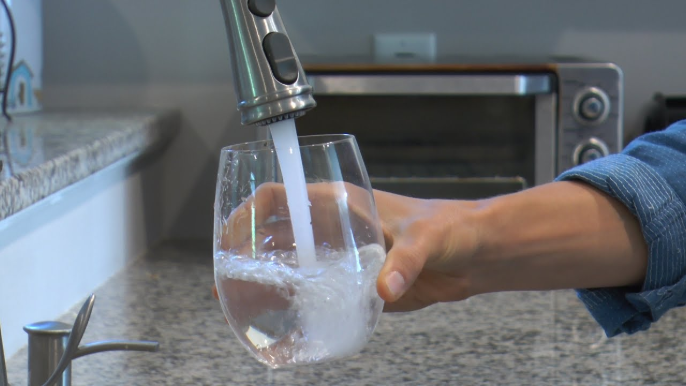

Clean and safe water is essential for our daily life. From drinking to cooking and bathing, water is a basic need. However, not all water is always safe. Water can get contaminated with harmful substances, bacteria, or chemicals that may cause health problems. This is why regular water checks are very important. Ensuring that your water is safe protects your health and the well-being of your family.
Understanding the Importance of a Water Check
A water check helps to identify any impurities or harmful elements in your water. Even if water looks clean and clear, it may still contain invisible contaminants like lead, bacteria, or pesticides. Drinking contaminated water over time can cause serious health issues such as stomach infections, kidney problems, and other chronic illnesses. Regular water checks act as a preventive measure, allowing you to detect and fix problems before they affect your health.
Health Risks Linked to Unsafe Water
Unsafe water is a major source of illness worldwide. Contaminated water can cause diseases such as diarrhea, cholera, and other gastrointestinal infections. Long-term exposure to polluted water can also affect organs like the liver and kidneys. Children and elderly people are more vulnerable to these risks. By checking water regularly, you reduce the chances of such illnesses and ensure that everyone in your household stays healthy.
How Regular Water Checks Protect Safety
Beyond health, water safety is also about overall household security. Poor-quality water can damage plumbing systems, appliances, and even cause structural problems in your home over time. A proper water check can detect issues like high mineral content, chemical imbalance, or bacteria growth, allowing for early intervention. This not only ensures safe drinking water but also protects your property from damage caused by unsafe water.
Signs That Indicate a Water Check is Needed
Some signs can suggest the need for a water check. If your water has a strange taste, color, or smell, it may be contaminated. Cloudy or discolored water is a warning sign of possible impurities. Corrosion in pipes or unusual deposits around faucets can also indicate poor water quality. Even if you do not see these signs, it is still important to perform water checks regularly because many contaminants are invisible to the naked eye.
Methods of Conducting a Water Check
Water checks can be done in multiple ways. You can use home testing kits that detect common contaminants like bacteria, chlorine, and heavy metals. For more accurate results, professional laboratory testing is recommended. Experts can analyze water samples in detail and provide solutions if any impurities are found. Regular testing ensures that your water remains safe over time, even if the source or conditions change.
Conclusion
Regular water checks are not just a precaution but a necessary step for protecting your health and safety. Safe water prevents illness, safeguards your home, and provides peace of mind. By monitoring the quality of your water, you ensure that you and your family can enjoy clean, safe water every day. Investing time in water checks today can save serious health and financial issues in the future. Making water safety a priority is one of the simplest ways to care for yourself and your loved ones.