
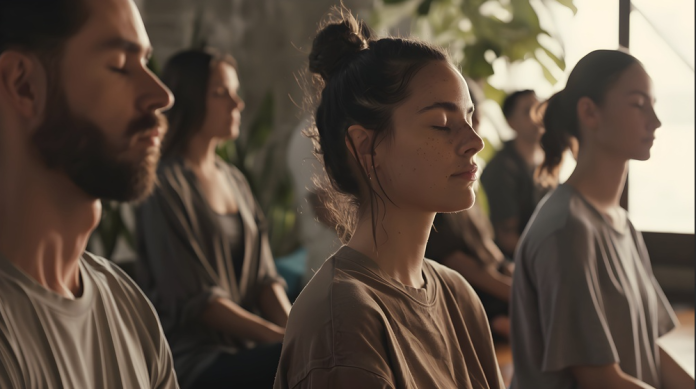

Something has shifted recently. Americans started paying attention to how bad they felt in their own skin. Years of popping pills for headaches while ignoring tight shoulders. Booking therapy for anxiety while sitting motionless for ten hours straight. The old way of splitting up mental stuff and physical stuff stopped making sense. So people went looking for something else. They found it in practices their grandparents might have called common sense: moving the body and calming the mind at the same time.
The Disconnect That Started It All
Western medicine loves categories. Sore knee? Orthopedist. Sad thoughts? Psychiatrist. Stomach problems? Gastroenterologist. Each specialist got really good at their one thing. But nobody was watching how it all connected. Then life sped up. Desks became prisons. Computers ate entire days. Phones buzzed through dinner, through bedtime, through everything. Bodies turned into transport vehicles for busy brains. Exercise meant thirty frantic minutes on a treadmill, watching the news, checking emails between sets.
People forgot what feeling good actually felt like. They accepted exhaustion as normal. Tension headaches became part of Tuesday. Sunday anxiety got its own nickname. The pandemic hit pause on everything. Suddenly, folks had nowhere to rush to. They noticed their backs hurt. Their jaws stayed clenched. Sleep sucked even without early alarms. The split between mind and body became impossible to ignore. That’s when the old ways started looking pretty smart again.
What These Rituals Actually Look Like
Mind-body rituals may sound fancy, but they’re not. Imagine tai chi experts in the park, their arms drifting slowly, as if submerged. Each movement demands attention. You can’t think about groceries when you’re balancing on one foot, shifting weight, raising arms in careful patterns. Yoga works the same way. Sure, it stretches hamstrings. But try holding a pose while your thoughts scatter everywhere. It doesn’t work. The pose falls apart. So the mind learns to stick around.
Breathwork might be the simplest one. This is according to the experts over at Maloca Sound. Controlling your breathing on purpose, counting inhales, holding, releasing. Sounds boring? Try it when anxiety hits. That conscious breathing pattern tells the nervous system to cool it. The mind focuses. The body responds. Martial arts belong here. Dancing too, if you actually feel the music instead of counting steps. Long walks count when you notice your feet hitting pavement, birds calling, wind on skin. Running becomes a ritual when you sync breath to stride and let thoughts float by like clouds. Learn more about breathwork at MalocaSound.com
Why Now? Why These Practices?
Screens wore everyone out. All that digital noise, zero physical release. Mind-body stuff happens in real space. Bare feet on actual floors. Lungs filling with regular air. No passwords. No updates. Control matters when everything feels chaotic. Politicians argue. Markets swing. Climate changes. But your yoga practice? That’s yours. Nobody tweets through your meditation. No algorithm ruins your tai chi. These rituals carve out space where you call the shots.
Money talks too. Gym memberships drain bank accounts. Therapy runs hundreds per hour. But stretching in your living room? Free. Walking meditation in the park? Free. Breathing exercises before bed? Still free.
Conclusion
This comeback isn’t going anywhere. Schools teach kindergartners yoga poses. Companies schedule meditation breaks. Doctors prescribe tai chi like medicine. What seemed weird in 2010 feels obvious now. The split never made sense, anyway. Minds live in bodies. Bodies carry minds around. They’re roommates who share everything. These practices simply improve their relationships. Americans are tired of feeling disconnected from themselves. Therefore, they’re stretching, taking deep breaths, and moving intentionally. Remembering what it feels like when everything works together. That’s not trendy. That’s human.